
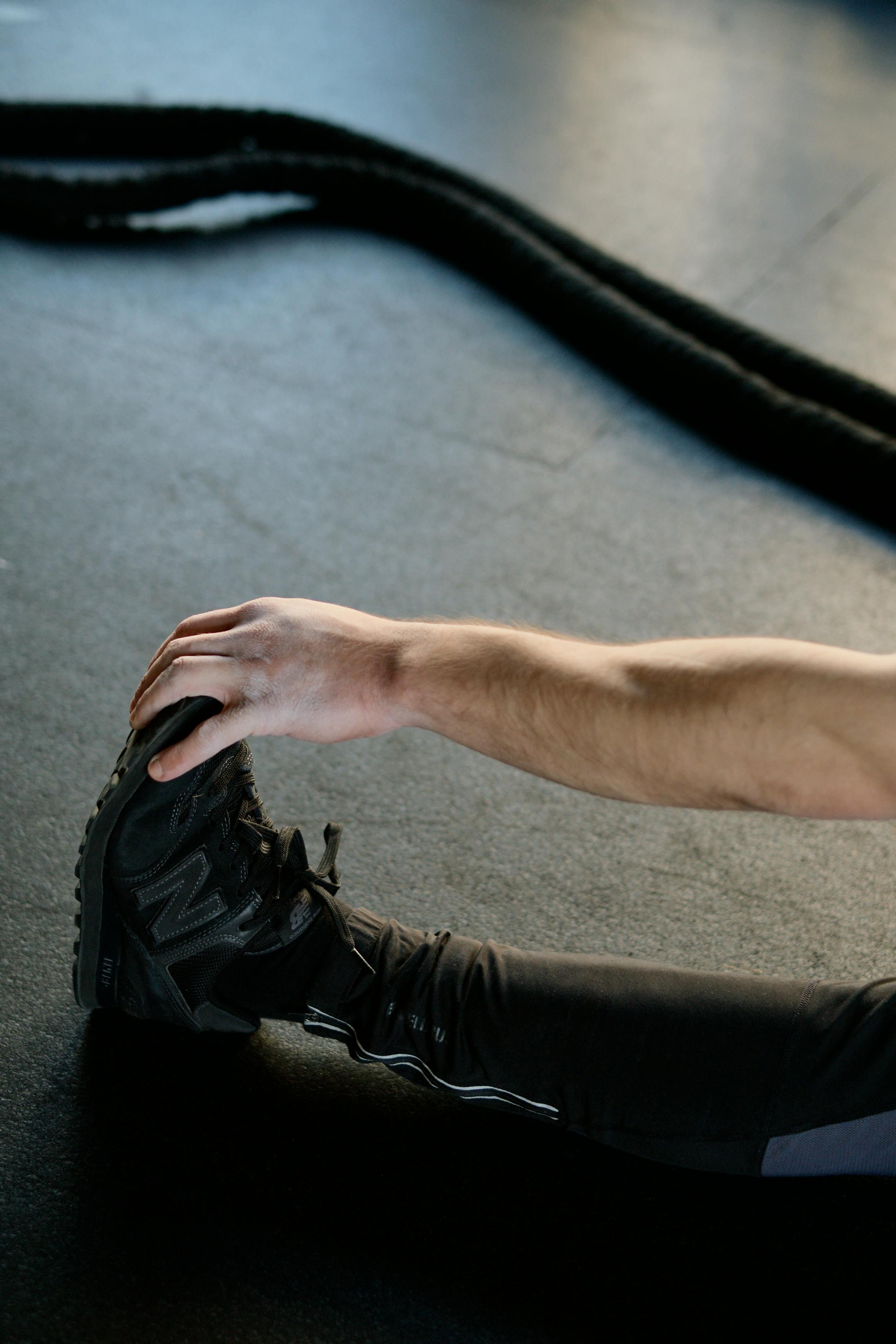
Heel pain can change the way you move through your day. It may be the first thing you feel when you step out of bed in the morning, the reason you avoid long walks, or the discomfort that keeps coming back after work, exercise, or time on your feet.
One of the most common causes of heel pain is plantar fasciitis. The good news is that the right plantar fasciitis stretches can often help relieve tension, improve flexibility, and support recovery when they are done consistently and correctly.
As a foot and ankle specialist, I believe education is an important part of care. Stretching is not a quick fix for every case, but it can be a powerful starting point for many people dealing with plantar fascia pain, tight calves, and morning heel discomfort.
What Is Plantar Fasciitis?
The plantar fascia is a thick band of tissue that runs along the bottom of the foot, connecting the heel bone to the toes. It helps support the arch and absorbs stress as you walk, run, stand, or move.
Plantar fasciitis develops when this tissue becomes irritated or inflamed. It is especially common in active individuals, people who spend long hours standing, runners, athletes, and anyone dealing with tight calves, poor shoe support, or increased strain on the foot.
Dr. Selene Parekh, MD, MBA’s clinical practice focuses on foot and ankle disorders, including plantar fasciitis, sports injuries, tendon issues, arthritis, fractures, and advanced foot and ankle care. His website also emphasizes education, innovation, and helping patients understand their options for treatment and recovery.
Why Stretching Helps Plantar Fasciitis
Plantar fasciitis is often connected to tightness in the foot, Achilles tendon, and calf muscles. When these areas are stiff, more strain can be placed on the plantar fascia.
Stretching can help by:
Improving flexibility in the foot and ankle
Reducing tension through the plantar fascia
Supporting better movement mechanics
Easing morning heel pain
Helping the tissue tolerate activity more comfortably
Reducing pull from tight calf muscles
Stretching works best when paired with other smart habits, such as supportive shoes, rest from aggravating activities, icing, and orthotics when appropriate. Dr. Parekh’s plantar fasciitis guidance includes stretching, supportive footwear, icing, rest, and orthotics, with advanced options considered for stubborn cases.
Stretch 1: Plantar Fascia Stretch
This is one of the most direct plantar fasciitis stretches because it targets the irritated tissue along the bottom of the foot.
To do it, sit in a chair and cross the affected foot over the opposite knee. Gently pull the toes back toward the shin until you feel a stretch along the arch of the foot. Hold the stretch for 20 to 30 seconds, then relax. Repeat several times, especially before standing in the morning.
This stretch can be particularly helpful before your first steps of the day, when plantar fasciitis pain is often at its worst.
Stretch 2: Calf Stretch Against the Wall
The calf muscles and Achilles tendon play a major role in foot mechanics. When they are tight, the plantar fascia can take on added stress.
Stand facing a wall with both hands on the wall. Step the painful foot back, keeping the heel on the ground and the knee straight. Bend the front knee slightly until you feel a stretch in the back calf. Hold for 20 to 30 seconds, then switch sides or repeat.Keep the movement gentle. The goal is a steady stretch, not sharp pain.
Stretch 3: Bent-Knee Soleus Stretch
The soleus is a deeper calf muscle that can also contribute to heel and arch strain. To stretch it, use the same wall position as the calf stretch, but this time slightly bend the back knee while keeping the heel on the floor.
You should feel the stretch lower in the calf or near the Achilles tendon. Hold for 20 to 30 seconds and repeat.
This stretch is useful because not all calf tightness comes from the larger calf muscle. Addressing both areas can provide more complete support.
Stretch 4: Towel Stretch
A towel stretch is a good option in the morning or after a period of rest.
Sit with your leg extended in front of you. Loop a towel around the ball of the foot and gently pull the foot toward you. Keep the knee straight and hold for 20 to 30 seconds.
This can stretch the bottom of the foot, Achilles tendon, and calf at the same time. It is simple, controlled, and easy to do before getting out of bed.
Stretch 5: Frozen Water Bottle Roll
This technique combines stretching with icing.
Dr. Parekh’s plantar fasciitis guidance recommends icing the heel for 15 to 20 minutes and notes that rolling the arch over a frozen water bottle can help soothe soreness while stretching the foot.
To do it, freeze a water bottle, place it on the floor, and gently roll the bottom of your foot over it. Move from the heel toward the ball of the foot. Avoid pressing too hard. The goal is to reduce irritation while encouraging mobility through the arch.
How Often Should I Stretch?
For many people, consistency matters more than intensity. Gentle stretching once or twice a day may be more helpful than forcing an aggressive stretch once in a while.
A practical routine may include stretching:
After icing or low-impact movementIf stretching causes sharp pain, worsening symptoms, numbness, swelling, or pain that changes your ability to walk, it is time to stop and seek medical guidance.
Stretching Is Only One Part of Recovery
Plantar fasciitis stretches can be very helpful, but they are not the entire treatment plan for every patient. Some cases improve with conservative care, while others require a more advanced evaluation.
Supportive shoes, orthotics, activity modification, physical therapy, anti-inflammatory strategies, and targeted treatment may all play a role. For more stubborn cases, advanced options may be considered. Dr. Parekh’s site discusses modern foot and ankle care, including minimally invasive approaches for certain conditions and regenerative options such as PRP and stem cell therapies for chronic pain, overuse injuries, and degenerative foot and ankle conditions.
The right treatment depends on the cause of your pain, your activity level, your foot structure, your goals, and how long symptoms have been present.
When to See a Foot and Ankle Specialist
You should consider scheduling an evaluation if your heel pain lasts more than a few weeks, keeps returning, affects your ability to walk, or does not improve with stretching, shoe changes, rest, and icing.You should also seek care sooner if the pain is severe, follows an injury, causes swelling or bruising, or makes it difficult to put weight on your foot.
Dr. Selene Parekh, MD, MBA is a board-certified, fellowship-trained orthopedic foot and ankle surgeon. Rothman Orthopaedics notes that he specializes in foot and ankle conditions and is known for advanced implants, minimally invasive surgery, 3D printing techniques, total ankle replacement, and treating foot and ankle conditions in athletes.
His approach is rooted in efficient, effective care, advanced technology, innovation, and helping people regain quality of life, whether they are professional athletes, weekend runners, active adults, or patients simply trying to walk comfortably again.
Take the Next Step Toward Heel Pain Relief
Plantar fasciitis can be frustrating, but it is treatable. With the right plantar fasciitis stretches, supportive footwear, smart activity choices, and expert guidance, many people can reduce heel pain and return to the activities they enjoy.If your heel pain is not improving or you want a clear diagnosis and treatment plan, I encourage you to schedule an appointment with Dr. Selene Parekh, MD, MBA. His practice serves patients in New Jersey, Pennsylvania, and the greater Manhattan-to-Philadelphia region, while also drawing patients from around the world for advanced foot and ankle care.
Schedule an appointment here: https://schedule.rothmanortho.com/profile/33845/Selene-Parekh?regionId=2
