
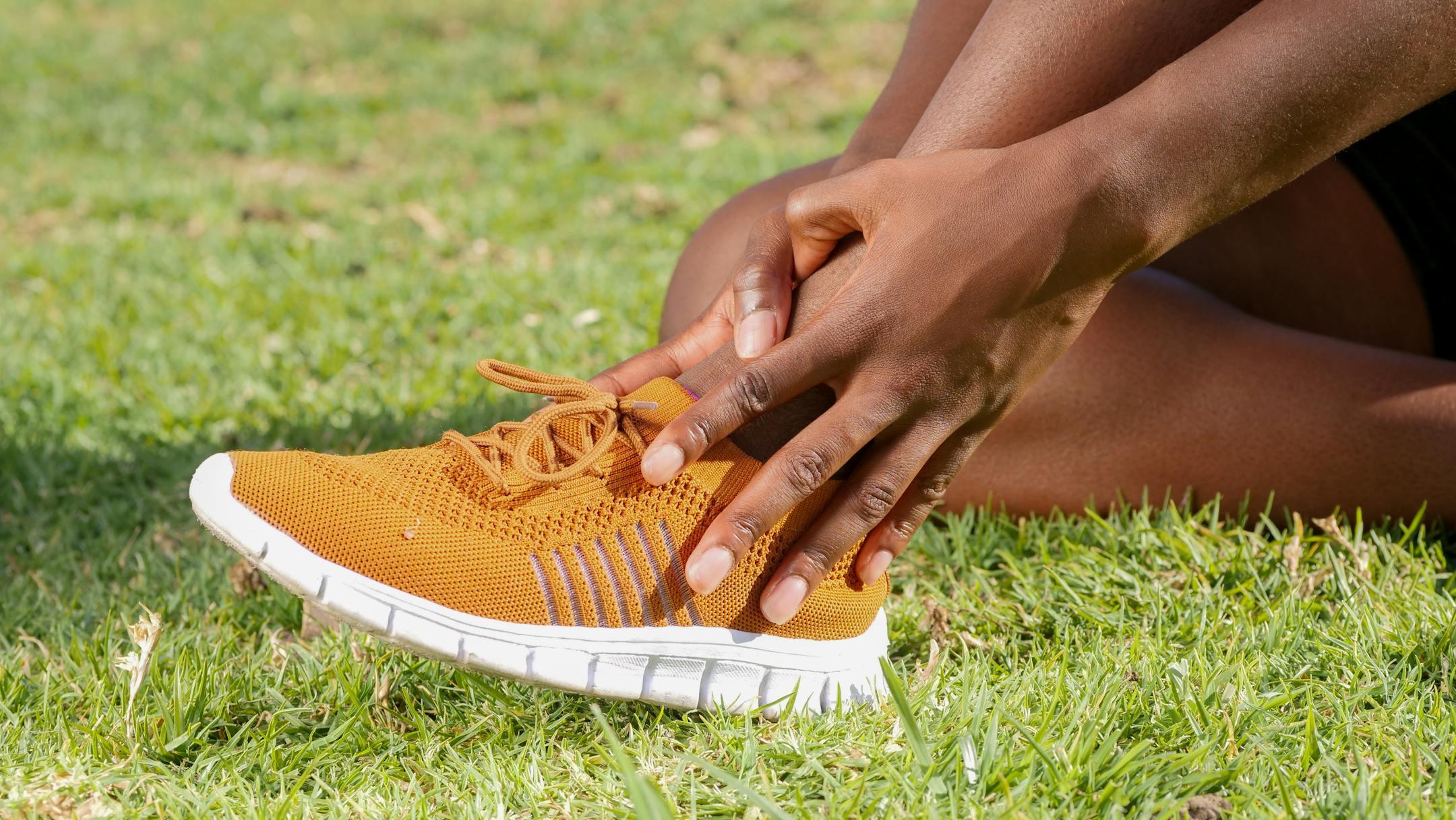
If your child has been complaining about heel pain after sports, running, or even regular activity, you may be wondering what is going on. One possible cause is Sever’s disease, a common source of heel pain in growing children and adolescents.
Despite the name, Sever’s disease is not actually a disease in the way many people think of one. It is a growth-related heel condition that tends to affect active kids, especially during periods of rapid growth. The good news is that it is treatable, and with the right care, most children improve well.
Sever’s disease is a condition that causes pain in the heel when the growth plate in the back of the heel becomes irritated. It is most common in children and teens who are still growing, particularly those who participate in sports or other high-impact activities.
As bones grow, muscles and tendons can sometimes become tight and pull on the heel. Repeated stress from running and jumping can then make the area painful and inflamed. This is why Sever’s disease often shows up in active children rather than adults.
Sever’s disease is especially common in kids who:
Children involved in soccer, basketball, baseball, track, gymnastics, and similar activities may be more likely to notice symptoms.
The most common symptom of Sever’s disease is heel pain, usually at the back or bottom of the heel. Some children describe it as soreness, tenderness, or pain that gets worse with activity.
Other common signs may include:
In many cases, the child may not remember one specific injury. The pain often builds gradually over time.
Sever’s disease is usually caused by repeated stress on the heel growth plate. During growth spurts, the heel bone may grow faster than the surrounding muscles and tendons can keep up. That can create tension where the Achilles tendon attaches to the heel.
When you add frequent running, jumping, and sports activity to that normal growth process, the heel can become irritated. In other words, this condition often comes from a combination of growth, activity level, and strain on the heel.
A foot and ankle specialist will usually diagnose Sever’s disease by reviewing symptoms, activity level, and growth history, along with performing a physical exam. The goal is to confirm the source of the pain and rule out other possible causes of heel discomfort.
Because heel pain in children can sometimes overlap with other injuries or conditions, it is important to have persistent pain evaluated rather than assuming it will go away on its own.
Treatment for Sever’s disease is typically focused on reducing pain, calming irritation, and allowing the heel to recover while your child continues to grow.
Depending on the child’s symptoms, treatment may include:
The right treatment plan depends on the child, the severity of symptoms, and how often the pain is occurring.
You should consider scheduling an evaluation if your child:
Getting an expert evaluation can help confirm whether it is Sever’s disease or something else and can help your child return to activity more safely and comfortably.
Sever’s disease is a common cause of heel pain in active, growing children. While it can be frustrating for both kids and parents, it is also manageable with the right care and attention.
If your child has ongoing heel pain, it is worth having it checked rather than waiting and hoping it passes. Early guidance can help reduce discomfort, prevent the problem from getting worse, and support a smoother return to sports and daily activity.
To get answers and the right treatment plan, schedule an appointment with Dr. Selene Parekh.
