
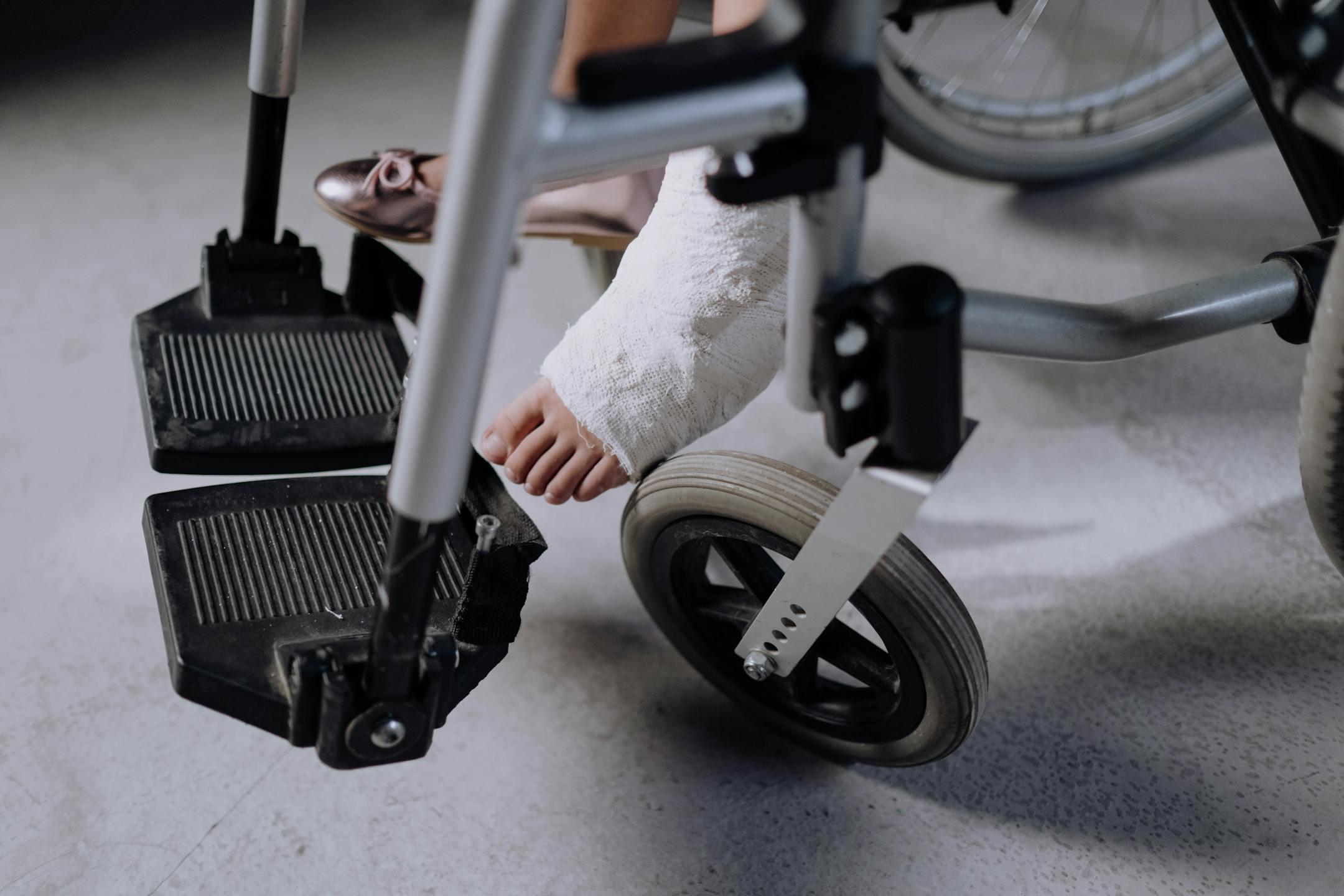
When you hear the words “orthopedic surgery,” it’s normal to feel unsure. You may wonder how long recovery will take. Or whether you’ll walk the same way again. Or how much it will hurt.
Clear expectations make a big difference.
Whether you’re dealing with a sports injury, arthritis, a fracture from a winter fall, or a tendon tear after getting active in the spring, this guide walks you through what to expect before, during, and after orthopedic surgery—so you can move forward with confidence.
Orthopedic surgery does not begin in the operating room. It starts with a detailed evaluation.
First, your surgeon identifies the exact problem. That may include:
If you slipped on ice this winter and fractured your ankle, the focus is alignment and stability. If you tore a tendon returning to tennis this spring, the goal is restoring strength and motion. Every plan depends on your specific injury and lifestyle.
Not every condition requires orthopedic surgery. Many foot and ankle issues improve with bracing, physical therapy, injections, or activity changes.
Surgery becomes the right choice when:
Your surgeon should explain why surgery is recommended, what the procedure involves, and what recovery looks like. You should leave that conversation knowing the goal: reduce pain, restore function, and improve quality of life.
Modern orthopedic surgery often involves advanced planning tools. In complex ankle replacements, deformity corrections, or revision procedures, surgeons now use 3D imaging and patient-specific guides to improve precision.
You’ll also receive instructions about:
Simple changes—like setting up a sleeping space on the first floor or installing shower supports—make recovery smoother.
Many patients imagine surgery as chaotic. It isn’t.
Orthopedic surgery follows a structured process with a trained team. Here’s what typically happens.
You’ll meet the anesthesia team before surgery. Depending on the procedure, you may receive:
Nerve blocks are especially helpful in foot and ankle orthopedic surgery. They control pain for hours after the procedure.
The length of surgery depends on the condition. A minimally invasive tendon repair may take under an hour. A complex ankle replacement takes longer.
Modern techniques matter here.
Minimally invasive approaches use smaller incisions. They reduce soft tissue damage. They often allow faster recovery. In some advanced cases, custom instrumentation and 3D-printed guides help restore alignment with high accuracy.
The goal remains consistent: fix the structural problem while protecting surrounding tissue.
After orthopedic surgery, you move to a recovery area. Nurses monitor your breathing, heart rate, and pain levels.
Most outpatient procedures allow you to go home the same day. Larger reconstructions may require a short hospital stay.
Before discharge, you’ll receive clear instructions about:
Recovery is where your effort matters most.
Orthopedic surgery sets the stage. Rehabilitation completes the process.
Swelling and discomfort are normal. Elevation is critical, especially in foot and ankle procedures. Keeping the leg above heart level reduces swelling and speeds healing.
Ice and prescribed medication control pain. Many patients are surprised that discomfort is manageable, especially with nerve blocks.
You may need crutches, a scooter, or a boot. Planning ahead makes this easier.
Your surgeon monitors healing closely.
These visits are not routine formalities. They guide the next stage of care.
Movement is medicine.
After orthopedic surgery, structured rehabilitation restores:
If you had ankle replacement, therapy focuses on restoring smooth motion. If you repaired a ligament after a ski injury, rehab rebuilds stability. If you suffered a spring sports tendon tear, therapy helps you return safely to activity.
Skipping rehab delays progress. Committing to it improves results.
Recovery timelines vary.
But progress happens in stages. First you walk without assistance. Then you regain endurance. Then you return to sports or travel.
And for many patients, the biggest milestone is simple: walking without pain.
In winter, icy sidewalks lead to ankle fractures and tendon ruptures. In spring, people return to running, tennis, or hiking after months indoors. That’s when sprains and tears often happen.
Orthopedic surgery becomes necessary when these injuries disrupt stability or healing.
The key is early evaluation. Ignoring pain or instability can turn a small problem into a larger one.
Orthopedic surgery is not one-size-fits-all.
Advanced training, experience, and innovation change outcomes. Surgeons who develop new techniques, use minimally invasive methods, and integrate technology like 3D planning bring additional tools to complex cases.
For patients traveling from Manhattan to Philadelphia—and even from around the world—access to specialized foot and ankle expertise provides options that are not available everywhere.
But expertise also means education. You should understand your condition. You should know why surgery is recommended. And you should feel heard.
Orthopedic surgery sounds intimidating. But when you break it down, the process is structured and predictable:
The goal is simple: restore movement and improve your quality of life.
If you’re dealing with persistent foot or ankle pain, a sports injury, or joint damage that limits your daily activities, the next step is a conversation. Schedule an appointment to discuss your options, learn whether orthopedic surgery is right for you, and create a plan built around your goals.
And if you want ongoing insights on sports injuries, athlete recovery, and advances in foot and ankle care, follow along through social media and educational programs to stay informed year-round.
